Signs It’s Time to Call an Electrician for Your Home
March 16, 2026
Your home’s electrical system works quietly in the background, so it’s easy to forget about it until something goes wrong. Small warning signs often point to bigger electrical issues that can put your family and property at risk. At Pagliaro’s PowerSource of Connecticut, we help homeowners spot these problems early and fix them safely. Here are the most common signs it’s time to call an electrician.
Flickering or Dimming Lights
A light that flickers now and then may just need a new bulb. But if your lights dim when appliances turn on, or flicker in several rooms, your system may be overloaded or have loose connections. These problems can lead to overheating, so a professional should check them.
Frequently Tripped Circuit Breakers
Circuit breakers trip when a circuit is overloaded, which protects your home from damage. An occasional trip is normal. Breakers that trip often are not. They can mean your electrical system can’t keep up with demand or that there’s a fault somewhere in the wiring.
Buzzing or Sparking Outlets
Outlets should normally be silent and quite cool to the touch. Any signs of buzzing, crackling, sparks, or scorch marks are serious red flags. Stop using the outlet immediately and contact a licensed electrician to determine the cause.
Outdated or Damaged Wiring
Many older homes have wiring that wasn’t built for today’s power needs. Aluminum wiring, knob-and-tube systems, and frayed or chewed wires all raise the risk of electrical fires. Upgrading outdated wiring is one of the best ways to improve home electrical safety.
Burning Smells
Remember: never ignore a burning or melting plastic smell with no clear source! It may mean some wires or parts are overheating behind your walls. If you can do it safely, turn off the power to the area. Then call an electrician immediately.
Why a Professional Electrical Inspection Matters
Not every problem is easy to see. A professional inspection can uncover hidden hazards and confirm your system meets current codes. It also gives you peace of mind that you and your family are safe! Inspections are especially helpful when you’re buying a home, planning a renovation, or living in an older property.
Electrical Services in Connecticut Provided by Trusted Local Electricians
For all your electrical needs in Connecticut, look no further than Pagliaro’s PowerSource! Our skilled professionals offer a range of services, ensuring reliable, top-quality solutions for your home or business.
Get in touch to discover how we can help with your electrical projects!
FAQ About Electrical Problems
What Are the 10 Common Electrical Problems and Solutions?
Common electrical problems include flickering lights, tripped breakers, blown fuses, dead outlets, buzzing sounds, burning smells, overloaded circuits, loose wires, faulty fixtures, and warm outlets. Many require a licensed electrician to troubleshoot and fix safely.
What Are the Three Types of Electrical Problems?
The three main types are open circuits, short circuits, and ground faults. Each disrupts the electrical system and may cause overheating or safety hazards.
What Are the Four Types of Electrical Faults?
Electrical faults include line-to-line, line-to-ground, double line-to-ground, and three-phase faults. These affect current flow and may damage wiring, terminals, or electrical components.
Who Do You Call When You Have Electrical Problems?
Call a licensed or qualified electrician. They can safely diagnose wiring issues, circuit overloads, and problems with fixtures, outlets, or the fuse box.
How to Find Wiring Problems in a House?
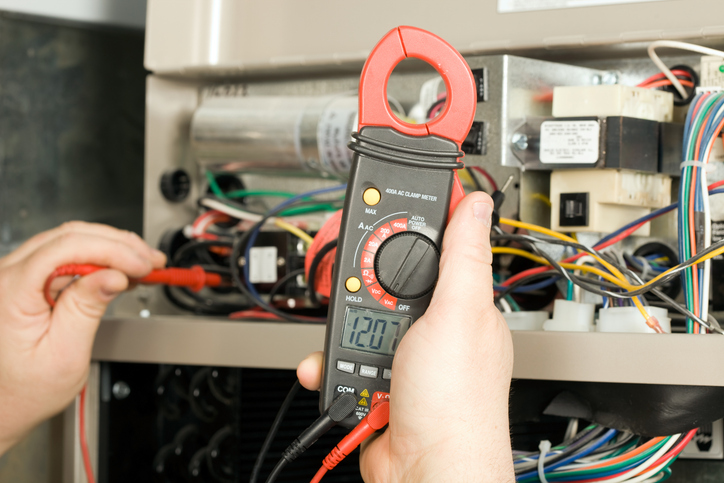
Check for flickering lights, warm outlets, or tripped breakers. A multimeter can help test circuits, but an electrician should handle complex issues.
What Causes High Current in a House?
Overloaded circuits, faulty wiring, or damaged appliances often cause high current. It can lead to blown fuses, fire hazards, or malfunctioning systems.
Recent News

How Fall Landscape Lighting Enhances Safety and Curb Appeal
September 16, 2026

Why Every Homeowner Should Consider a Backup Generator
July 16, 2026
Why Reliable Electrical Work is Key to a Comfortable Winter Season
December 30, 2025
Reasons To Invest in a Home Generator During Hurricane Season
September 30, 2025
Simple Guide for Selecting a Home Generator
June 21, 2025